 English
  العربية
  Nederlands
  Français
  Deutsch
  Italiano
  Português
  Русский
  Español
Optimizing the bending sequence in a press brake is crucial for improving production efficiency, reducing waste, and ensuring product quality.
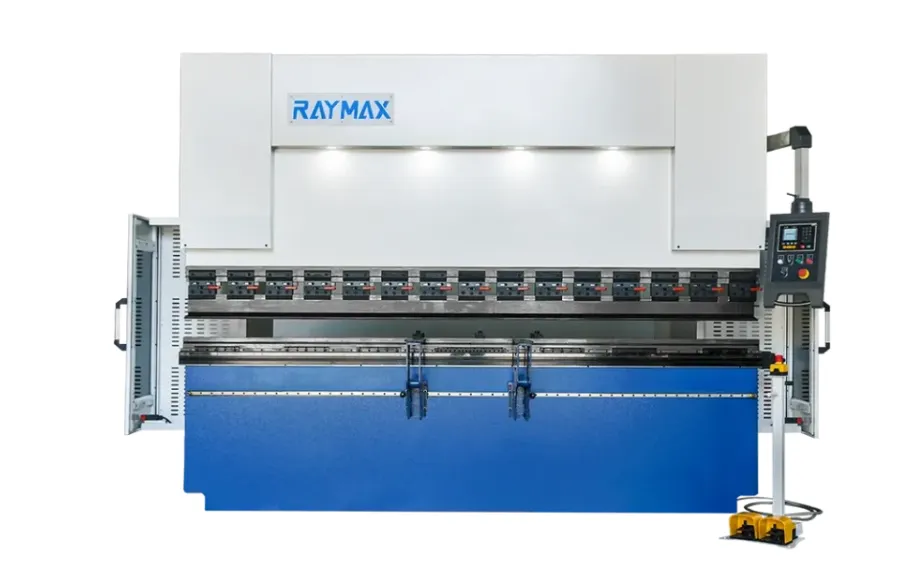
A well-organized bending sequence can simplify the process, improve precision, and reduce production costs, especially when tailored to specific equipment types and industries. Here is a detailed guide to optimizing the bending sequence for various press brake machines and industry needs.
Workpiece Design Considerations
Simplify Your Design

When designing workpieces, reduce complex bends and avoid unnecessary flips and repeated operations. For CNC press brake users, programming software can automatically generate optimized bending paths and sequences, minimizing manual intervention.
Avoid Over-Bending
Design workpieces within the machine’s capacity, especially when working with thick or high-strength materials. Over-bending can cause material fractures or machine damage, a critical concern in industries like steel structure manufacturing.
Bend in Sequence
From Simple to Complex Bends

Simple bends should be performed first to ensure the workpiece remains stable. In more complex, multi-angle bending tasks, avoid performing complex bends too early to minimize positioning errors.
Prioritize Internal Bend
Internal bends should be completed before external ones to prevent external structures from interfering with subsequent bends. This is particularly useful in the automotive industry for components with multiple bending steps.
Bend from Larger to Smaller Angles

In precision bending, such as in the aerospace industry, larger bends should be done first to stabilize the workpiece before moving on to smaller, more intricate bends.
Avoid Workpiece Interference
Detect Interference Points
Using bending simulation software to detect potential interference points ahead of time ensures optimized sequences won’t compromise workpiece precision. This is crucial in high-precision industries like medical devices and aerospace manufacturing.
Minimize Flipping
Reducing the number of flips and rotations during the bending process can significantly improve efficiency, especially in mass production.
Make Your Programming Right
Smart Programming

The programming function in CNC press brakes can automatically generate the optimal bending sequence. This reduces complexity in large-scale production, ensuring precision with every bend.
Bend Simulation Software
Bend simulation software can simulate the entire process in advance, detecting potential interference issues and optimizing angles and sequences accordingly.
Optimize Tooling Selection
Select the Right Tooling

For high-precision bending, specialized tools are needed to process materials like titanium or aluminum alloys. Using combination tooling can reduce steps and increase efficiency.
Automated Tool Changing Systems
Automated tool-changing systems can automatically adjust tooling according to different bending steps, making them ideal for complex parts or thick material processing environments.
Subsequent Processing Steps

Reduce the Impact
Bending is often a precursor to welding or drilling. Optimizing the bending sequence can ease the subsequent processing by leaving space for welding or ensuring the workpiece is easier to handle.
Sequence on Product Quality
Poor sequencing can damage the surface of the workpiece, affecting the final product’s appearance. Laser measuring and auto-adjust systems ensure that each step in the sequence meets high precision standards.
Automation and Manual Expertise
Robot-Assisted Bending
In large-scale production environments, such as automotive and steel structure manufacturing, robot-assisted bending systems reduce manual intervention and optimize efficiency. Robots can automatically position.
Operator Expertise with Automation
While automation is becoming more advanced, experienced operators still play a key role in adjusting the bending sequence for complex workpieces. Combining the operator’s knowledge with automated systems can ensure smooth processing, especially for irregularly shaped parts in industries like aerospace.
Conclusion
Optimizing the bending sequence for press brakes involves a detailed understanding of the equipment and industry-specific requirements. By simplifying workpiece design, reducing interference, optimizing clamping and tooling selection, and leveraging automation, manufacturers can significantly improve production efficiency, reduce waste, and maintain high product quality.
Raymaxbending CNC Press Brake is a wonderful option for you to consider, we are here to help you skyrocket your business!