 English
  العربية
  Nederlands
  Français
  Deutsch
  Italiano
  Português
  Русский
  Español
When working in metal fabrication, selecting the right press brake is crucial for achieving precise bends and maintaining production efficiency. The choice of press brake depends on three key factors: the type of material you are bending, the thickness of that material, and the specific bending angle you need to achieve. This guide will help you make an informed decision by examining each of these factors in detail.
Materials Vs. A Press Brake
Different materials have unique properties that affect how they behave during the bending process. Understanding these properties will guide you in selecting a press brake that can handle the material’s specific requirements.
Carbon Steel
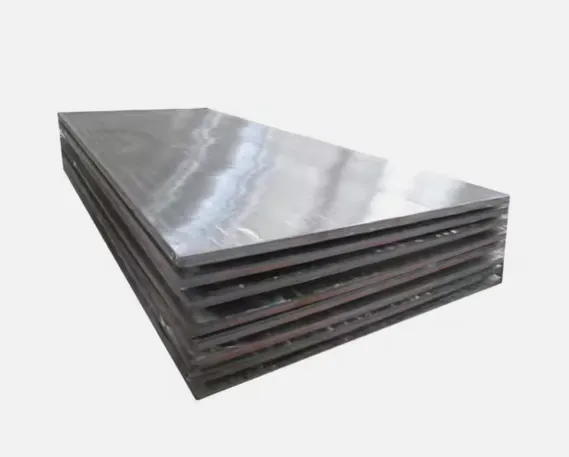
Carbon steel is one of the most commonly used materials in metal fabrication. It has moderate hardness and good ductility but requires a significant amount of bending force. For carbon steel, you should opt for a hydraulic or electric press brake with a higher tonnage capacity to ensure it can deliver the necessary force.
Stainless Steel

Stainless steel is harder and more resistant to corrosion than carbon steel. However, it is less ductile and more prone to cracking when bent. Because of these properties, you should choose a press brake that offers precise control over the bending process, such as a CNC hydraulic press brake. This type of machine provides the necessary accuracy and force needed to handle stainless steel without causing cracks.
Aluminum Alloys

Aluminum is a lightweight and softer material that requires less bending force compared to steel. However, aluminum tends to spring back more after bending, meaning you may need to overbend slightly to achieve the desired angle. For aluminum alloys, you might consider a lower-tonnage press brake, but ensure it has features that compensate for spring-back, such as advanced CNC controls.
Copper and Brass

Copper and brass are relatively soft and malleable metals, which makes them easier to bend. However, these materials are also more prone to surface scratches and deformities. A press brake with a smooth, precise bending process is essential to maintain the material’s surface finish. A servo-electric or pneumatic press brake could be an ideal choice due to its smooth operation and precision.
Based on The Thickness
Material thickness is another crucial factor when selecting a press brake. Thicker materials require greater bending force, which means you will need a press brake with a higher tonnage capacity.
Thin Sheets (less than 2mm)

For thin sheets, such as those under 2mm, you need a press brake that offers high precision and control to prevent material distortion or over-bending. An electric press brake or a CNC hydraulic press brake with fine control settings is ideal for handling thin sheets. These machines can precisely adjust the bending force and angle, reducing the risk of damaging the material.
Medium Thickness Sheets (2mm to 8mm)

If you are working with medium-thickness sheets, a standard hydraulic press brake is usually sufficient. The tonnage required will depend on the specific thickness and material properties. It’s important to choose a machine that offers enough force to handle the material without exerting excessive pressure, which could lead to machine wear or damage.
Thick Sheets (greater than 8mm)


Thick sheets require a press brake with high tonnage capacity, such as a heavy-duty hydraulic press brake. In this case, you may also consider a CNC-controlled machine to ensure precise control over the bending process. When bending thick materials, the machine’s durability and power are critical factors to ensure it can handle the job repeatedly without risk of failure.
About The Desired Bending Angle
The bending angle you need to achieve directly impacts the type of press brake you should use. Different types of bends require varying levels of force and precision.
Right-Angle Bends (90 Degrees)


Right-angle bends are the most common types of bends in metal fabrication. Most press brakes can handle 90-degree bends, but it’s essential to ensure that the machine is equipped with the correct dies and has the capacity to achieve the desired force. A standard hydraulic or electric press brake is typically sufficient for these bends, provided it has the appropriate tooling.
Acute Angle Bends (Less than 90 Degrees)
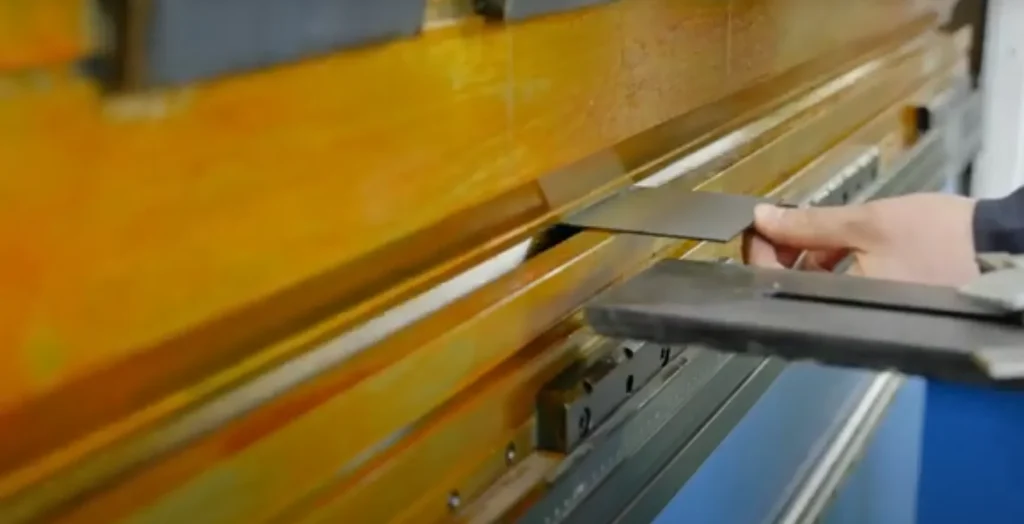

Acute bends require more precision and control to be achieved accurately. In these cases, you should look for a CNC press brake with advanced control features, such as angle measurement systems and precise force adjustments. These features allow you to achieve the exact bend angle without damaging the material.
Obtuse Angle Bends (Greater than 90 Degrees)

Obtuse bends are less challenging to achieve than acute bends but still require careful consideration of the material’s spring-back properties. A hydraulic press brake with programmable controls can help you adjust the bending process to account for these properties, ensuring you achieve the desired bend angle.
Additional Factors to Consider
While material type, thickness, and bending angle are the primary factors in selecting a press brake, there are other considerations to keep in mind:
Production Volume
If you have high production volumes, you should consider an automated press brake with a high degree of repeatability and speed, such as a CNC press brake. Automation can significantly increase productivity and reduce manual errors.
Precision Requirements
For applications requiring high precision, such as aerospace or medical device manufacturing, you should select a press brake with closed-loop control systems, advanced software, and precise angle detection capabilities.
Length of Workpieces
The length of the workpiece is also a critical factor. Ensure that the press brake’s bed length is sufficient to accommodate the longest material you need to bend. This will prevent damage to both the material and the machine.
Safety Features
Safety should always be a priority when choosing any machinery. Look for press brakes that come with safety features such as light curtains, two-hand controls, emergency stop buttons, and proper guarding around moving parts.
Conclusion
For carbon steel and stainless steel, opt for a higher-tonnage hydraulic press brake with advanced controls. For softer materials like aluminum, a lower-tonnage machine with spring-back compensation may be more suitable. Always match the machine’s capacity to the material thickness, and choose a press brake with appropriate features for the specific bending angles you need to achieve.
By considering these factors, you ensure that you are equipped with the right tool for the job, maximizing both the quality of your products and the efficiency of your operations.
If you are looking for a press brake manufacturer, Raymaxbending will be your first choice. Select us to get the best quote and perfect aftersales service!