 Français
  English
  العربية
  Nederlands
  Deutsch
  Italiano
  Português
  Русский
  Español
In the world of manufacturing, presse plieuse tooling plays a crucial role in achieving high-quality bends and maintaining production efficiency. However, tooling wear is inevitable and varies depending on the industry and material properties. This article delves into the replacement cycles for press brake tools across different industries, emphasizing the factors that affect tooling lifespan and practical tips for extending it.
Understanding Tool Wear Factors

Press brake tools experience wear due to:
- Material Hardness: High-strength materials like stainless steel and titanium alloys cause faster tool wear compared to softer materials like aluminum.
- Usage Intensity: Industries with high production volumes, such as automotive and construction, see quicker tooling deterioration.
- Tool Maintenance: Proper lubrication, cleaning, and regular inspections can slow down wear rates.
- Precision Demands: High-precision industries like aerospace and electronics often require tighter tolerances, leading to frequent tool replacements.
Tool Replacement Cycles by Industry
Fabrication de tôles
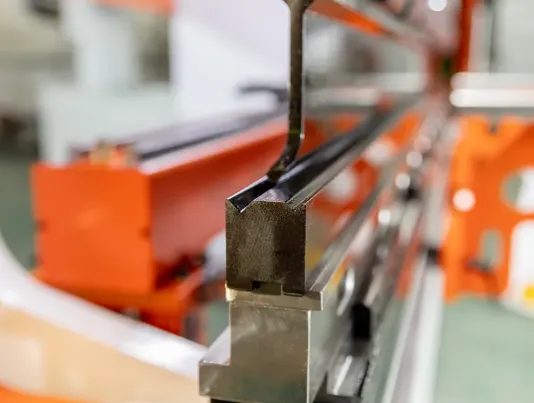
In the sheet metal industry, press brakes are commonly used to process materials like carbon steel, stainless steel, and aluminum sheets, typically ranging in thickness from 0.5mm to 5mm. The high production frequency and need for precision contribute to significant tool wear. Standard tools have a lifespan of 50,000 to 80,000 bends, while high-durability tools, such as those made from H13 steel, can last up to 150,000 bends. To extend tool life, manufacturers should use wear-resistant tools, especially for stainless steel applications, and regularly check for uneven pressure distribution to maintain bending accuracy.
Automotive Manufacturing

Material Characteristics: Utilizes high-strength steel and aluminum alloys for vehicle body parts.
Tool Lifespan:
- Standard tools last 30,000-50,000 bends.
- Wear-resistant tools extend this to 80,000-120,000 bends
Recommendations:
- Opt for multi-station tools to handle complex bending tasks efficiently.
- Use proper lubrication during high-strength steel processing to reduce wear.
Industrie aérospaciale

Image From Here
In aerospace manufacturing, press brakes are used for high-precision bending of materials like titanium and aluminum alloys. These applications require tools capable of maintaining tight tolerances. High-precision tools have a shorter lifespan of 20,000 to 30,000 bends, while hardened tools, such as carbide tools, can last up to 60,000 bends. Using ultra-hard tools is recommended for handling high-tensile materials. Additionally, tools should be inspected thoroughly after each production batch to detect early signs of wear.
Shipbuilding and Heavy Industry

The shipbuilding and heavy industry sectors involve bending thick plates of carbon steel, stainless steel, and weathering steel, typically ranging from 10mm to 30mm in thickness. These heavy-duty applications place significant stress on tooling. Standard tools generally last for 20,000 to 40,000 bends, while heavy-duty tools can reach up to 60,000 bends. To extend tool life, manufacturers should use tools with larger V-die openings to accommodate thick plates and ensure proper cooling and lubrication during operations.
Construction Materials Manufacturing

In the construction industry, press brakes are used to shape galvanized steel and stainless steel for doors, windows, and decorative components. These applications typically involve medium-thickness sheets and high production volumes. Standard tools last for 50,000 to 80,000 bends, while high-durability tools can last up to 120,000 bends. To maintain performance, regular lubrication is necessary to reduce friction and wear, especially when working with galvanized materials. Additionally, monitoring tool conditions can help avoid damage to protective coatings on the materials.
General Tips to Prolong Tool Lifespan
Regardless of the industry, here are universal strategies for extending press brake tool life:
Inspection régulière: Conduct visual checks for cracks, wear, or deformation.
Stockage approprié: Store tools in a dry, dust-free environment to prevent corrosion.
Precise Pressure Settings: Avoid overloading tools by setting optimal bending pressure.
Timely Repairs: Address minor wear through polishing or grinding before it escalates.
Digital Monitoring: Implement CNC systems to track tool usage and detect anomalies.
Industry Sheet
Industry | Materials | Tool Lifespan | Key Maintenance Tips |
Fabrication de tôles | Carbon steel, aluminum | 50,000-150,000 bends | Use wear-resistant tools, check pressure |
Automotive | High-strength steel | 30,000-120,000 bends | Multi-station tools, proper lubrication |
Home Appliances | Thin steel sheets | 80,000-150,000 bends | Polish tools, daily cleaning |
Aerospace | Titanium, aluminum | 20,000-60,000 bends | Use hardened tools, batch inspections |
Shipbuilding | Thick carbon steel | 20,000-60,000 bends | Cooling, large V-die openings |
Electronics | Copper, aluminum | 100,000-200,000 bends | Small-radius tools, residue removal |
Construction | Galvanized steel | 50,000-120,000 bends | Lubricate regularly, monitor conditions |
Conclusion
Press brake tooling replacement cycles are not one-size-fits-all; they depend heavily on the materials being processed, industry demands, and maintenance practices. By understanding these variables and implementing proactive care strategies, and manufacturers can maximize tool life, enhance production efficiency, and reduce operational costs.
If you are looking for durable press brake, You won’t get down in Cintrage Raymax! We only offer the best quality press brakes for our customers.