 Русский
  English
  العربية
  Nederlands
  Français
  Deutsch
  Italiano
  Português
  Español
Investing in a fiber laser cutting machine is a significant decision that requires careful evaluation of various factors to ensure optimal performance and return on investment. Whether you are in the manufacturing, automotive, or metal fabrication industry, selecting the right machine can enhance productivity, precision, and profitability. This guide will walk you through essential considerations to help you make an informed purchase decision.
Define Your Cutting Requirements
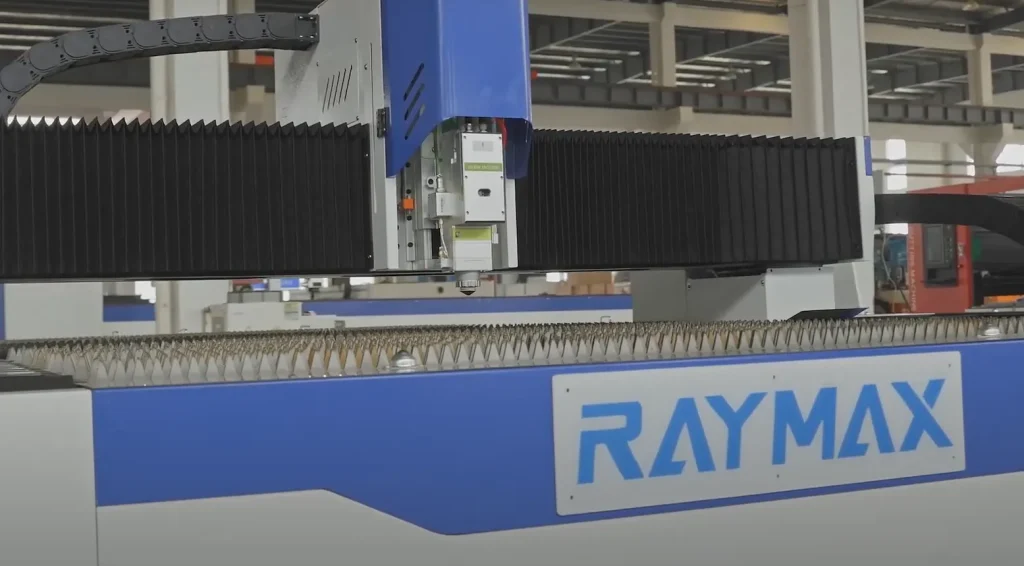
Before purchasing a fiber laser cutting machine, it is crucial to clearly define your cutting needs. Consider the following aspects:
Material Types: Fiber laser cutting machines are ideal for materials such as stainless steel, carbon steel, aluminum, brass, and copper. Identify the primary materials you plan to cut.
Material Thickness: Choose a machine with the appropriate power level to handle the thickness of your materials effectively.
Production Volume: Determine whether your production demands require a high-speed industrial-grade machine or a smaller, more flexible unit.
Choosing the Right Laser Power

The power of the fiber laser directly impacts cutting speed, material compatibility, and efficiency. Some common power options include:
1kW to 3kW: Suitable for thin materials and light-duty applications.
4kW to 6kW: Ideal for medium-thickness materials with moderate production demands.
10kW and above: Designed for heavy-duty industrial applications requiring high precision and speed.
Selecting the right power ensures high-quality cuts and efficient production processes.
Core Components to Evaluate

A fiber laser cutting machine consists of several critical components that determine its overall performance and reliability. Pay close attention to the following:
Laser Source: The heart of the machine, responsible for beam generation. Reputable brands include IPG, Raycus, and nLIGHT.
Cutting Head: Look for features such as auto-focus, cooling systems, and precision optics to enhance cutting accuracy.
CNC Control System: An intuitive and user-friendly control system can simplify operation and improve efficiency.
Bed Structure: A robust machine frame, such as a welded steel bed, ensures stability and vibration resistance.
Precision and Cutting Quality
Accuracy is a critical factor, especially for industries that require intricate and high-precision cuts. Ensure that the machine provides:
- High positional accuracy with minimal deviation.
- Advanced focus control for sharp edges and smooth finishes.
- Consistency across varying materials and thicknesses.
Machine Speed and Productivity

Evaluate the machine’s cutting speed and overall productivity, which depend on factors such as:
Acceleration and Deceleration Rates: Faster acceleration leads to shorter cycle times.
Software Optimization: Advanced nesting software can maximize material usage and reduce waste.
Automation Options: Features such as auto-loading and unloading systems can enhance workflow efficiency.
Maintenance and Operational Costs

Understanding the maintenance requirements and operational costs associated with a fiber laser cutting machine is vital. Consider:
Consumables: Protective lenses, nozzles, and assist gases (such as nitrogen or oxygen) can impact long-term expenses.
Energy Consumption: Fiber lasers are energy-efficient, but understanding their power usage helps manage operational costs.
Maintenance Schedule: Opt for machines with minimal maintenance needs and easy access to critical components.
Software Compatibility and Features

A reliable fiber laser cutting machine should be compatible with various design software and offer advanced features such as:
- Real-time monitoring and diagnostics.
- Remote control capabilities.
- User-friendly interfaces for streamlined operation.
Ensure the machine supports standard file formats like DXF, AI, and PLT for seamless integration into your workflow.
Safety Features and Compliance

Safety is paramount when operating a fiber laser cutting machine. Ensure the equipment complies with industry safety standards and features: Enclosed cutting area to protect operators from laser radiation. Emergency stop buttons for quick shutdowns. Proper ventilation and fume extraction systems to maintain a safe working environment.
Заключение
Selecting the right fiber laser cutting machine requires careful consideration of various factors, including material requirements, power levels, core components, and supplier support. By evaluating these aspects, you can ensure that your investment enhances efficiency, precision, and profitability in your manufacturing operations.
If you are looking for a great fiber laser cutting machine, Contact Raymaxbending! We are a reliable bending service provider, but also a fiber laser machine provider!