English
  العربية
  Nederlands
  Français
  Deutsch
  Italiano
  Português
  Русский
  Español
Best Press Brake Machine – Shaping the Future of Metal Fabrication
Press brake machines have been an integral part of the metal fabrication industry for decades, playing a pivotal role in shaping and bending metal sheets to create a wide array of products. From simple brackets to complex components, China press brake machines have evolved significantly, becoming more sophisticated and efficient. In this article, we’ll delve into the world of NC hydraulic press brake machines, exploring their types, key components, applications, advantages, challenges, and the latest technological trends that are shaping the future of metal fabrication.
Evolution of Press Brake Machine
Historical Background of Press Brake Machine
Press brakes trace their roots back to the early days of metalworking when manual bending was the norm. Over time, the need for precision and efficiency led to the development of mechanical press brakes, marking a significant leap in metal fabrication capabilities.
Technological Advancements of Press Brake Machine
The journey of press brakes has been marked by continuous technological advancements. From the introduction of hydraulic systems to the advent of CNC (Computer Numerical Control) technology, press brakes have undergone a transformative evolution, enhancing their accuracy and versatility.
Types of Press Brakes
NC Hydraulic Press Brake Machine
Hydraulic press brakes leverage fluid power to generate the force required for bending. They offer increased control and are suitable for a wide range of applications, making them a popular choice in modern metal fabrication.

RX-N Series NC Press Brake with E21 2 Axis
CNC Press Brake Machine
The pinnacle of press brake technology, CNC press brakes are equipped with computerized controls that allow for highly precise and repeatable bending operations. They are ideal for intricate designs and complex shapes, bringing a new level of efficiency to metal fabrication processes.

RX-S Series CNC Press Brake 3-4 Axis
Synchro Electric CNC Press Brake Machine
The electric press brake machine is driven by electric power, usually using a hydraulic system and an electric motor as the power source. Its biggest characteristics are no oil pollution, no impact noise, low energy consumption, simple maintenance, and convenient operation, and it performs well in the field of high-precision and high-speed bending.

RX-E Series Synchro Electric CNC Press Brake Machine 4-6-8 Axis
Key Components of Press Brake Machine
Die and Punch
At the heart of every press brake are the die and punch, responsible for shaping the metal. The selection of the right die and punch sets the stage for achieving the desired bend angles and shapes.

Backgauge Systems
Backgauge systems play a crucial role in ensuring accuracy and repeatability. These automated systems help position the metal sheet correctly, allowing for consistent bending across multiple pieces.

Hydraulic Systems
The hydraulic system is the powerhouse of a press brake, providing the force needed for bending. Advances in hydraulic technology have contributed to the improved efficiency and speed of modern press brakes.

How Press Brakes Work
Understanding the inner workings of a press brake is essential for anyone involved in metal fabrication. The process involves clamping the metal sheet between the die and punch, after which the hydraulic or mechanical force is applied to achieve the desired bend. The introduction of CNC technology has brought a new level of precision, allowing for complex and intricate designs.
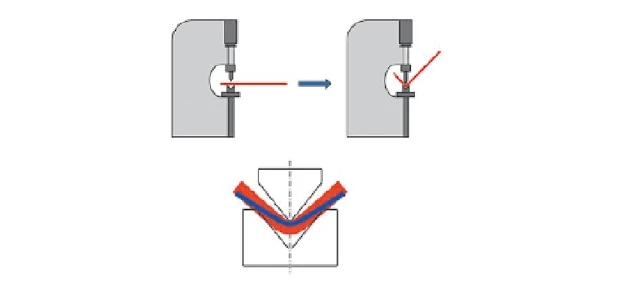
Press BrakeApplications in Metal Fabrication
Press brakes find applications in a wide range of metal fabrication processes, from simple sheet metal bending to the creation of complex components for various industries. The ability to produce precise bends makes press brakes indispensable in the manufacturing of items like brackets, enclosures, and automotive parts.
Advantages of Using CNC Hydraulic Press Brake Machine
Accuracy and Repeatability
One of the key advantages of press brakes is their ability to consistently produce accurate bends. This is crucial in industries where precision is paramount, such as aerospace and electronics.
Increased Productivity
The efficiency of press brakes, especially CNC models, contributes to increased productivity in metal fabrication. Quick setup times and automated processes ensure that manufacturers can meet demanding production schedules.
Cost-Effectiveness
While the initial investment in a press brake can be significant, the long-term cost-effectiveness cannot be overlooked. The ability to handle various bending tasks with a single machine reduces the need for multiple specialized tools.
Common Challenges in Press Brake Operations
Material Inconsistencies
Variations in material properties can pose challenges in achieving uniform bends. Press brake operators need to be aware of the material’s characteristics and adjust settings accordingly.
Maintenance Issues
Regular maintenance is crucial to keep press brakes in optimal working condition. Neglecting maintenance can lead to breakdowns, downtime, and increased repair costs.
Operator Skill Requirements
Operating a press brake, especially a CNC model, requires a certain level of skill and expertise. Adequate training and ongoing skill development are essential for ensuring safe and efficient operations.
Safety Measures
Ensuring the safety of operators is a top priority in press brake operations. Protective equipment, such as safety guards and sensors, along with strict adherence to safety protocols, helps minimize the risk of accidents. Regular training on safety practices is imperative for everyone involved in press brake operations.
CNC press brake manufacturers- Raymax

Raymax is a professional hydraulic press brake manufacturer and CNC press brake machine manufacturer. Raymax provides many kinds of press brake machines for you to choose for sale which meet your production needs. For the year of 2024 is coming, new press brakes are launched. If you have related needs, welcome to contact us , we will give you customized solution.