 العربية
  English
  Nederlands
  Français
  Deutsch
  Italiano
  Português
  Русский
  Español
In the field of modern sheet metal fabrication, precision, efficiency, and sustainability are becoming the most critical requirements. Traditional hydraulic press brakes have long been the industry standard, but as technology advances, manufacturers are seeking alternatives that offer better accuracy, lower energy consumption, and reduced maintenance. This is where the servo press brake and, more specifically, the servo electric press brake, are changing the game. By replacing hydraulic systems with servo-driven electric technology, these machines are paving the way for more sustainable and intelligent metal forming processes.
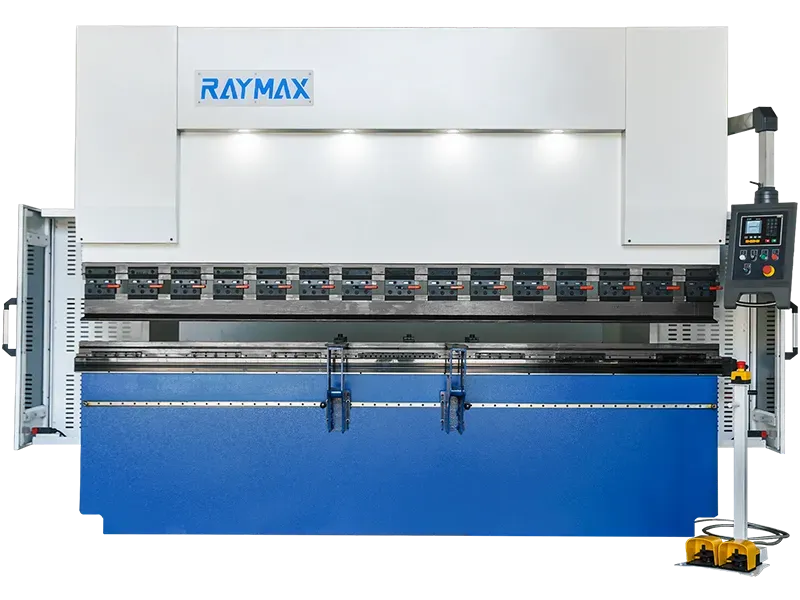
What is a Servo Press Brake?
A servo press brake is a type of bending machine powered by servo motors rather than traditional hydraulic pumps. Instead of relying on hydraulic fluid pressure to generate force, servo systems use precise electric motor control to move the ram or beam. This makes the machine not only cleaner and quieter but also more accurate in terms of bending operations.
There are generally two main types:
- Servo Electric Press Brake: a fully electric machine that uses servo motors, ball screws, and belt systems to drive the ram.
- Hybrid Servo Press Brake: a combination of servo motors and a hydraulic system, designed to reduce energy consumption while maintaining higher tonnage capacity.
While hybrid models are still popular for heavy-duty applications, servo electric press brakes are gaining rapid adoption in industries that demand high precision and eco-friendly production.

How Does a Servo Electric Press Brake Work?
The working principle of a servo electric press brake is quite different from that of a hydraulic machine. Instead of pumping hydraulic oil through cylinders, the servo electric system uses an electric motor to directly drive ball screws or belt mechanisms. When the operator inputs the bending parameters into the CNC system, the servo motors transmit torque with extreme precision, moving the ram smoothly and efficiently.
This system offers several advantages:
- Energy is consumed only when the machine is in motion.
- Positioning accuracy is significantly higher because servo motors respond instantly to CNC signals.
- There is no need for oil, pumps, or valves, eliminating leakage and reducing environmental risks.
By removing hydraulic components, servo electric press brakes not only simplify machine design but also greatly reduce maintenance requirements.

Advantages of Servo Press Brakes
The shift from hydraulic to servo-driven technology offers numerous benefits for fabricators:
- High Precision and Repeatability: Servo motors provide micron-level control over ram movement. This ensures every bend is accurate and repeatable, which is critical in industries such as electronics and aerospace.
- Energy Efficiency: Compared to traditional hydraulic press brakes, servo models can reduce energy consumption by up to 50%. Since the motor only runs when the machine is active, idle power losses are eliminated.
- Eco-Friendly Operation: Without hydraulic oil, there are no risks of leaks, spills, or contamination. This not only reduces environmental impact but also ensures a cleaner workshop environment.
- Lower Noise and Heat: Hydraulic pumps often generate noise and heat during operation. Servo press brakes, in contrast, operate almost silently and produce less heat, improving the overall workplace atmosphere.
- Reduced Maintenance Costs: With fewer moving parts and no hydraulic system, maintenance intervals are longer, and the overall operating cost is significantly lower.
Limitations and Considerations
While servo electric press brakes offer many advantages, they are not without limitations. One of the main considerations is tonnage capacity. Fully electric press brakes are generally more suitable for small to medium-sized sheet metal parts. For heavy-duty applications requiring high bending force, hydraulic or hybrid press brakes may still be necessary.
Additionally, the initial purchase cost of servo press brakes is higher than that of traditional hydraulic machines. However, the long-term savings in energy and maintenance often justify the investment.
Applications of Servo Electric Press Brakes
The unique advantages of servo-driven technology make it ideal for industries where precision, efficiency, and cleanliness are paramount:
- Electronics Industry: For producing precise sheet metal enclosures and components.
- Medical Equipment Manufacturing: Where cleanliness and accuracy are critical.
- Household Appliances: For creating high-quality panels with tight tolerances.
- Automotive Components: Especially lightweight metal parts for electric vehicles.
- General Sheet Metal Fabrication: For small to medium production batches with high accuracy demands.
Choosing the Right Servo Press Brake
If you are considering investing in a servo press brake, here are some key factors to evaluate:
- Tonnage Requirements: Ensure the machine provides enough bending force for your material thickness.
- Material Type: Different metals and thicknesses require different bending capabilities.
- CNC System Compatibility: Look for machines that integrate with advanced CNC controls and automation systems.
- Automation Needs: If your production line requires robotic loading/unloading, choose a model designed for integration.
- After-Sales Service: Work with a reputable manufacturer that offers reliable support and spare parts availability.
RAYMAX Servo Electric Press Brake
When investing in a servo press brake, choosing the right manufacturer is crucial. One trusted supplier in this field is رايماكس. With years of experience in sheet metal processing machinery, RAYMAX specializes in CNC press brakes, including advanced servo electric press brakes designed for high precision, energy efficiency, and long-term reliability. Their machines are widely used in industries such as automotive, aerospace, and appliance manufacturing, making them a strong partner for companies seeking top-quality bending solutions.