 Italiano
  English
  العربية
  Nederlands
  Français
  Deutsch
  Português
  Русский
  Español
The automotive parts manufacturing industry demands high precision, efficiency, and adaptability to meet rigorous production requirements. Choosing the right premi il freno can make a significant difference in ensuring the quality and cost-effectiveness of the production process. This article explores the key factors to consider when selecting a press brake for automotive applications, ensuring your choice aligns with industry needs while maximizing productivity and minimizing costs.
Understand the Specific Needs of Automotive Parts Production
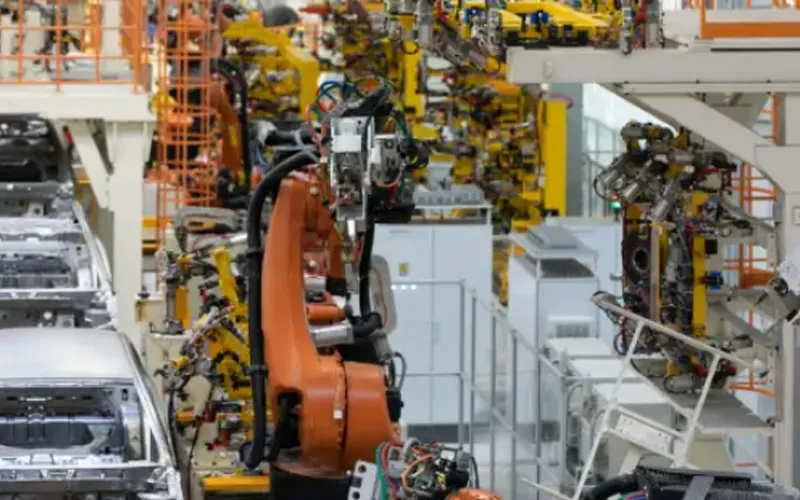
Automotive parts vary significantly in size, material, and complexity. To select the appropriate press brake, consider:
Tipo di materiale: Most automotive parts are made from materials like high-strength steel, aluminum, and stainless steel. Each material has unique bending characteristics, affecting the required tonnage and tooling.
Spessore del materiale: Identify the range of material thicknesses your production involves. Thicker materials demand higher tonnage, while thinner sheets require precision to avoid warping.
Component Complexity: Some parts may have intricate bending profiles,necessitating advanced CNC (Computer Numerical Control) features for precise control and repeatability.
Understanding these requirements ensures the press brake can handle the variety and complexity of your production line.
Determine Tonnage and Bending Length Requirements

Two critical parameters for press brakes are tonnage and bending length:
Tonnage: This refers to the force the press brake applies during bending. For example, bending a 4mm steel sheet may require an 80-ton press brake, whereas bending aluminum of similar thickness may need less force. Always account for a safety margin when calculating tonnage.
Bending Length: The bending length determines the maximum width of material the press brake can process. For large automotive components like panels or chassis parts, a press brake with a bending length of 4 meters or more is often necessary.
Emphasize Precision and Repeatability

Precision is paramount in the automotive industry, where parts often have tight tolerances. Modern press brakes offer advanced features to enhance accuracy:
CNC Systems: CNC-enabled press brakes ensure consistent bending angles and dimensions, which is critical for batch production.
Angle Measurement and Adjustment: Advanced machines have real-time angle correction systems that adjust during operation, guaranteeing precision.
Hydraulic vs. Electric Drives: While hydraulic systems are reliable for heavy-duty applications, electric-driven press brakes offer superior accuracy and energy efficiency for lightweight components.
Consider Tooling and Versatility

The tooling setup directly affects the press brake’s versatility and efficiency:
Material-Specific Tools: High-strength tools are essential for processing tougher materials used in automotive parts.
Custom Tooling: For unique or complex parts, consider custom tools tailored to specific shapes and bends.
Quick-Change Tooling: Minimize downtime by opting for quick-change tooling systems, which enable rapid transitions between different production tasks.
Table 1 provides a comparison of common tooling materials and their applications:
|
Tool Material |
Applicazione |
Vantaggi |
|
Hardened Steel |
High-strength materials |
Durable and long-lasting |
|
Tungsten Carbide |
Precision components |
High precision and wear-resistance |
|
Alluminio |
Soft materials |
Lightweight and cost-effective |
Evaluate Energy Efficiency and Maintenance
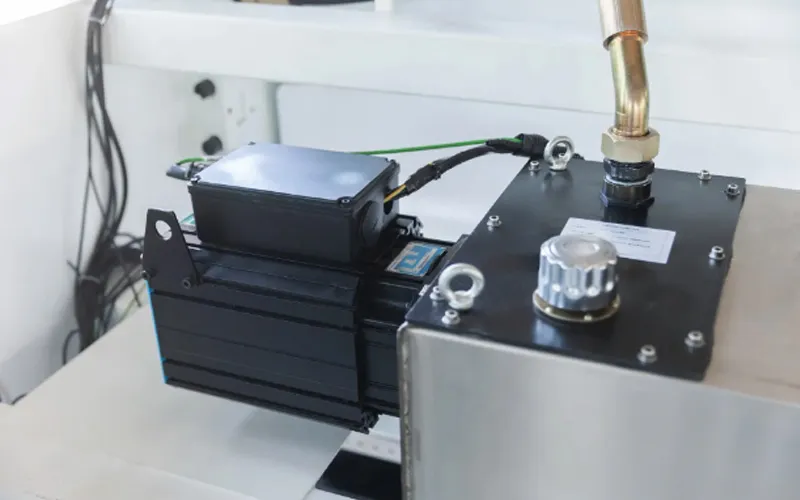
Energy consumption and maintenance are ongoing costs that significantly impact the total cost of ownership:
Energy Efficiency: Servo-electric press brakes consume less energy compared to hydraulic ones, making them ideal for high-volume production.
Manutenzione: Opt for machines with fewer moving parts and automated lubrication systems to reduce downtime and maintenance expenses.
Budget Considerations and ROI

While advanced press brakes come with a higher initial cost, their benefits often justify the investment:
Productivity Gains: CNC systems and automation reduce labor costs and increase throughput.
Waste Reduction: Precision tools and systems minimize material waste, improving overall efficiency.
Longevity: High-quality machines with robust designs have a longer lifespan, offering better ROI over time.
Table 2 compares press brake types and their costs:
|
Press Brake Type |
Initial Cost |
Maintenance Cost |
Best For |
|
Hydraulic |
Moderate |
Moderate |
Heavy-duty applications |
|
Servo-Electric |
High |
Low |
Precision and energy efficiency |
|
Hybrid |
High |
Moderate |
Applicazioni versatili |
Conclusione
Selecting the right press brake for automotive parts manufacturing involves balancing technical requirements, operational efficiency, and cost considerations. In Raymax, you can find your needing one. By focusing on key factors such as material properties, precision, automation, and vendor support, manufacturers can ensure they invest in equipment that meets both current and future needs. A well-chosen press brake not only enhances production capabilities but also positions a company to stay competitive in the dynamic automotive industry.