 Italiano
  English
  العربية
  Nederlands
  Français
  Deutsch
  Português
  Русский
  Español
Press brakes are essential machines in metal fabrication, used for bending sheet metal into desired shapes with precision. There are various types of press brakes available, each offering unique features and benefits to suit different industrial needs. Understanding the types of press brakes can help manufacturers choose the right machine for their applications. In this guide, we will explore the most common types of press brakes and their advantages.
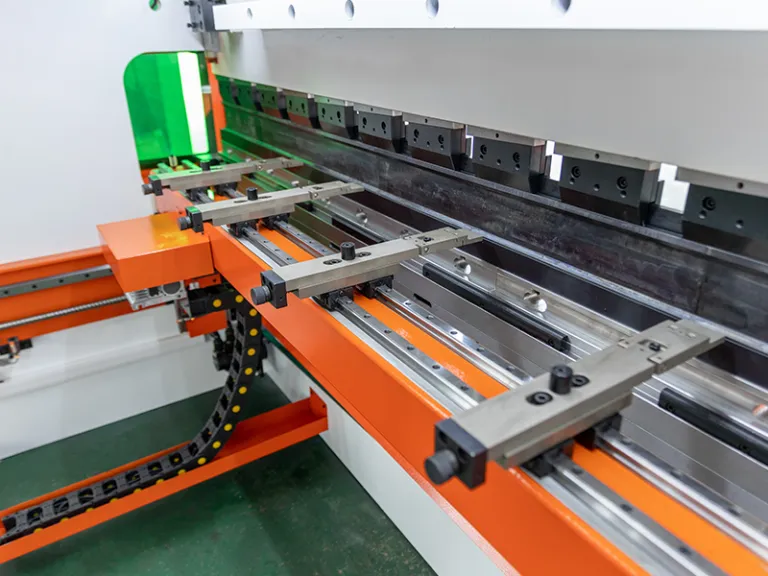
What is a Press Brake?
A press brake is a machine tool used for bending sheet metal and plate material. It operates by clamping the metal between a punch and a die, applying force to achieve precise bends. Press brakes come in various configurations, with different control systems and bending capabilities. The type of press brake chosen depends on the complexity of the bending tasks, the required accuracy, and production volume.
Tipi di presse piegatrici
1. NC Press Brake with E21 (2-Axis)

The NC Press Brake with E21 is a cost-effective solution designed for small to medium-sized fabrication tasks. It features a simple yet powerful E21 controller, offering ease of operation and improved efficiency.
Features and Benefits:
- E21 Controller: Ensures straightforward programming and precise control.
- Stable Hydraulic System: Provides consistent pressure for accurate bending.
- Durable Frame Structure: Enhances machine longevity and performance.
- Ideal for Basic Bending Applications: Suitable for repetitive tasks in small production runs.
2. CNC Press Brake (3-4 Axis)

The RX-S Series CNC Press Brake (3-4 Axis) is designed for enhanced precision and control, making it suitable for a wide range of metal bending applications.
Features and Benefits:
- Advanced CNC Control: Allows for precise multi-axis control for complex bending.
- High-Speed Operation: Improves productivity with quick bending cycles.
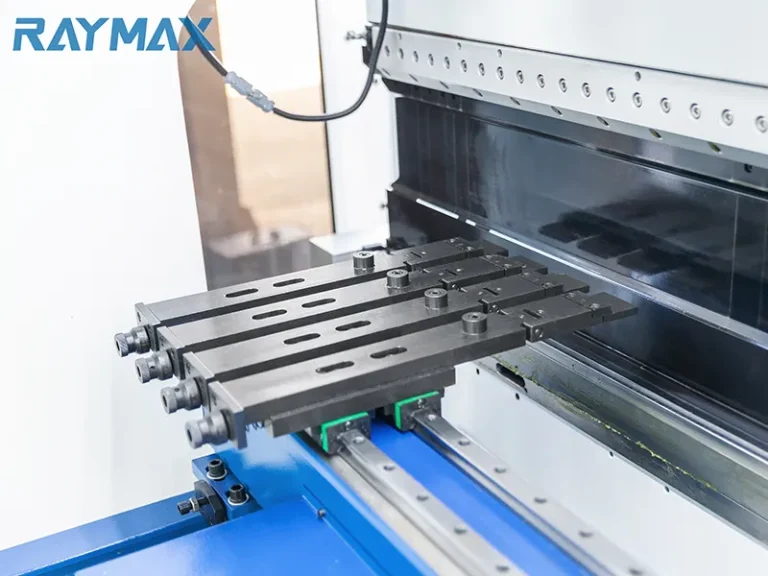
- Efficient Backgauge System: Ensures accurate positioning for better repeatability.
- Servo Motor Drive: Reduces energy consumption and enhances efficiency.
3. CNC Press Brake (6-Axis)

The RX-S Series CNC Press Brake (6-Axis) is an upgraded version that offers even greater flexibility and accuracy for complex bending tasks.
Features and Benefits:
- 6-Axis CNC Control: Enables precise control over multiple bending parameters.
- Automatic Crowning System: Compensates for deflection to maintain accuracy.
- Intelligent Programming: Allows for complex bending sequences with minimal operator input.
- High-Speed Hydraulic System: Improves productivity with faster cycle times.
4. Hybrid Plus CNC Press Brake (8-Axis)

The RX-H Series Hybrid Plus CNC Press Brake (8-Axis) is a high-performance machine that combines hydraulic and electric drive systems for maximum efficiency.
Features and Benefits:
- Energy-Saving Hybrid System: Reduces power consumption while maintaining high accuracy.
- 8-Axis Control: Offers advanced flexibility for complex bending operations.
- Low Maintenance: Minimizes wear and tear for long-term reliability.
- Quiet and Efficient Operation: Produces less noise and vibration compared to traditional press brakes.
5. Synchro Electric CNC Press Brake Machine (4-6-8 Axis)

The RX-E Series Synchro Electric CNC Press Brake is a state-of-the-art machine that utilizes electric servo motors for precise control and efficiency.
Features and Benefits:
- Full Electric Drive: Eliminates hydraulic oil usage for a cleaner operation.
- High-Speed Performance: Ensures rapid and accurate bending.
- Modular Control System: Supports multiple configurations (4, 6, or 8 axes) for customized applications.
- Low Energy Consumption: Optimized for sustainable manufacturing processes.
6. Tandem Press Brake

The Tandem Press Brake consists of two synchronized press brakes that work together to handle large and heavy workpieces efficiently.
Features and Benefits:
- Dual-Machine Synchronization: Ensures consistent bending across long sheets.
- Extended Bending Capacity: Suitable for large-scale industrial applications.
- Flexible Configuration: Can operate independently or in tandem mode.
- Precisione migliorata: Equipped with CNC control for accurate and repeatable results.
How to Choose the Right Press Brake
Selecting the right press brake depends on several factors, including production requirements, budget, material type, and bending complexity. Here are some key considerations:
- Volume di produzione: CNC and hybrid press brakes are best for high-volume production.
- Spessore del materiale: Tandem press brakes handle thicker sheets, while electric press brakes are ideal for thinner materials.
- Automation Needs: If precision and efficiency are top priorities, CNC or electric press brakes are the best options.
- Energy Consumption: Hybrid and electric press brakes offer energy-saving benefits.
- Bending Accuracy: Machines with advanced CNC control and crowning systems provide superior precision.
Advantages of Using Press Brakes
Press brakes offer numerous benefits in metal fabrication, including:
- High Precision and Accuracy: Advanced CNC systems ensure consistent and repeatable results.
- Versatility: Suitable for various materials and bending angles.
- Efficiency: Modern press brakes optimize production speed while maintaining quality.
- Efficacia dei costi: Reduces material waste and improves productivity.
- Automation Integration: CNC and electric models support automation for improved workflow management.
Conclusione
Understanding the different types of presse piegatrici is crucial for making an informed decision when investing in a press brake machine. Whether you need a simple NC press brake for small projects or an advanced CNC press brake for complex operations, each type has its own advantages. By choosing the right press brake, manufacturers can improve productivity, precision, and cost efficiency in their metal fabrication processes.